Smooth Roads, Empty Promises: The Hollow Development of Gopalganj
The reality is that Gopalganj was the only place where I could study this subject at the time. When I leave, it will not be without regret and disappointment.
I have spent nearly four years in Gopalganj. Although staying in Dhaka would have offered far better academic and professional opportunities, my long-standing passion for physics brought me here. The reality is that Gopalganj was the only place where I could study this subject at the time. When I leave, it will not be without regret and disappointment.
At first glance, Gopalganj appears impressively developed. Wide, well-paved roads stretch not only along the major highways but also deep into narrow lanes. On the surface, there seems to be no shortage of progress. This image is reinforced by the presence of a university, medical and engineering colleges, hospitals, and several other government institutions. On paper, Gopalganj looks like a complete, modern district town.
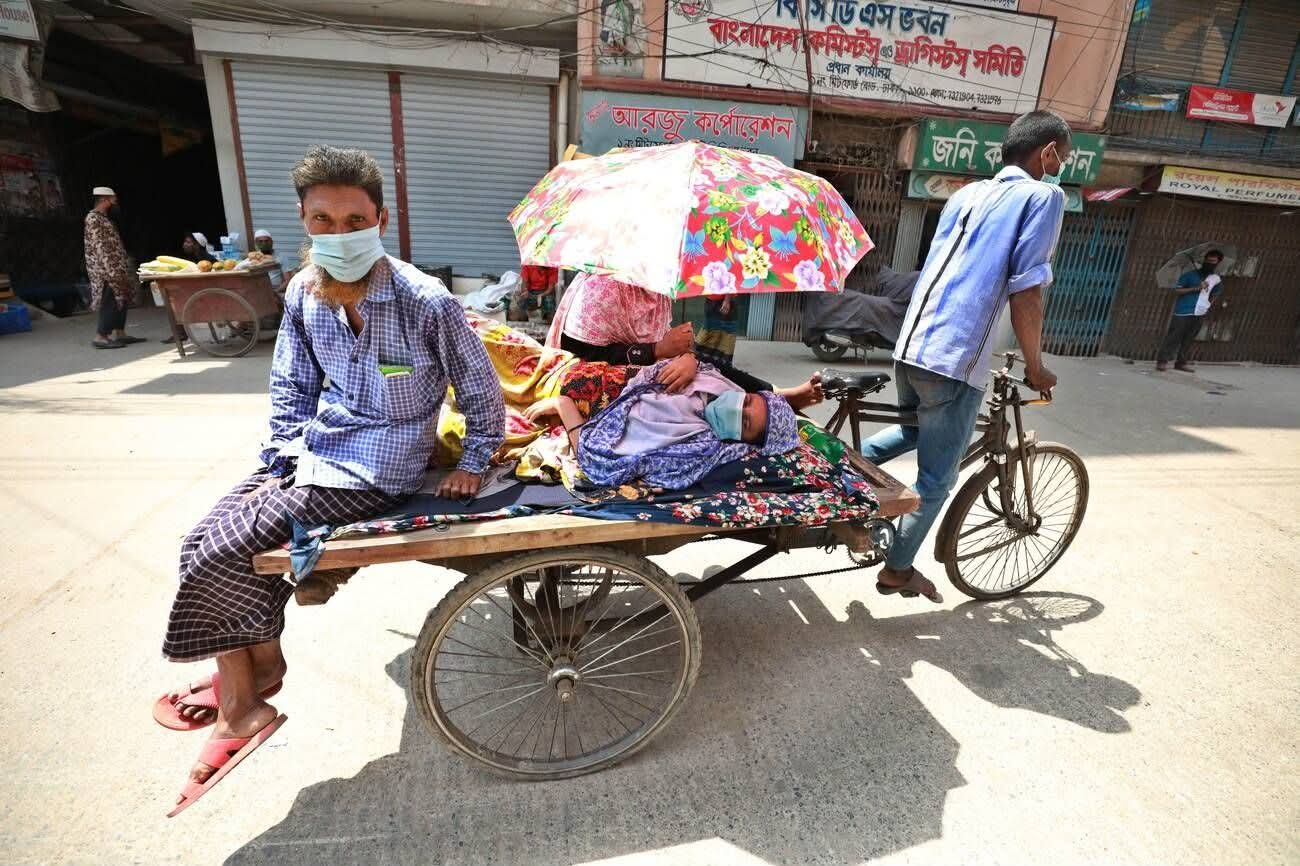 But daily life tells a different story. Ambulances are often unavailable, forcing elderly and critically ill patients to travel long distances in vans. The moment a patient’s condition becomes even slightly serious, they are referred to Dhaka or Khulna. This raises an uncomfortable question: what purpose do so many hospitals serve if basic emergency care remains out of reach?
The same contradiction defines the education sector. There is a university, but not enough teachers. A handful of faculty members are expected to manage multiple batches of students, while classrooms remain insufficient and construction projects drag on for years, often stalled by corruption. Meanwhile, commercial activity around the campus flourishes. Shops, rental housing, and other businesses thrive, yet students are left with overcrowded classes, delayed infrastructure, and fading academic hopes.
Visible development, such as smooth roads and impressive buildings, has always been politically convenient. Such projects are easy to showcase and easy for voters to notice, and past governments invested heavily in these symbols of progress. Reforms that truly matter, however, such as strengthening education, ensuring adequate healthcare staffing, or building a functional ambulance system, require patience, long-term planning, and political courage. They do not deliver immediate votes.
The result is a hollow model of development: it looks impressive but functions poorly. Despite all the visible progress, neither local residents nor those who come to Gopalganj seeking education or healthcare benefit in any sustainable way. Development is meaningful only when it improves people’s lives. Smooth roads alone do not move a district forward.